Our Courses

On an annual basis or upon specific request of organizations contacting us, we offer tailored courses to managers, policy actors, and entrepreneurs and community leaders.
The courses range from 16 to 36 hours, delivered either as an intensive one-week programme or spread over two to three months. In these hours, the courses combine: learning sessions with systems thinkers and sectoral experts, interactive co-design sessions on real-life cases, the design and implementation of small-scale experiments, and feedback to participants.
Please contact us if you would like to co-develop a course together(involving systems mapping & co-design) tailored to your context, organization, or scientific field.
Who is this for?
We offer these course themes with a tailored approach to a plurality of professionals, including:
-
We train managers of sustainability, supply chain, product development, marketing, human resource, legal and finance departments of large enterprises seeking to develop and implement industrial resilience and adaptation strategies that influence the local, regional and global ecosystems they are embedded in.
We tailor the courses to your company culture, supply chain specificities and territorial needs and - very important - to your daily, weekly and annual schedules. Check our offerings below!
-
We work with local, national and international policymakers, officers in public agencies and public administrations, as well as actors seeking to assess and strengthen the coherence and effectiveness of their action on their social-ecological systems.
With you and your closest partners, we build shared understandings and narratives that support coordinated policy communication and implementation. We would work together to visualize and act on the strategic levers with the industrial and civil society actors on your territory. Check our offerings!
-
For entrepreneurs and community leaders. We work with a plurality of entrepreneurs, freelancers, facilitators, designers, community leaders and weavers seeking to disrupt markets, transform societies, and steward ecologies.
No matter if you are registered as a for-profit or as a non-for-profit, we can experiment how to embed your “business model” or “way of doing things” into the changing dynamics of social-ecological and political systems where you operate. Check our offerings below!
Our Offerings
These courses are grounded in systems mapping and co-design as key methodologies. Whenever possible, we organize these courses at least partially in person and in experiential settings, enabling participants to connect deeply to the social-ecological systems that they are seeking to change.
So far, we have developed and taught the following courses to a wide variety of changemaking professionals and organizations:
Applying Systems Thinking Empirical Methods in Management
This course provides the basis for choosing and using visual and/or participatory methods to systems thinking in management research and practice.

Systems Theorizing: How to Develop Rigorous and Relevant Systems Theories
This course provides the conceptual and epistemological basis for building and applying systems theories across social, managerial and ecological sciences.

Participatory Systems Mapping & Co-Design
This course offers advanced insights into organizing participatory processes of systems mapping & co-design. Participants will practice why and how to tailor the participatory process depending on which systems they mean to transform, and how.
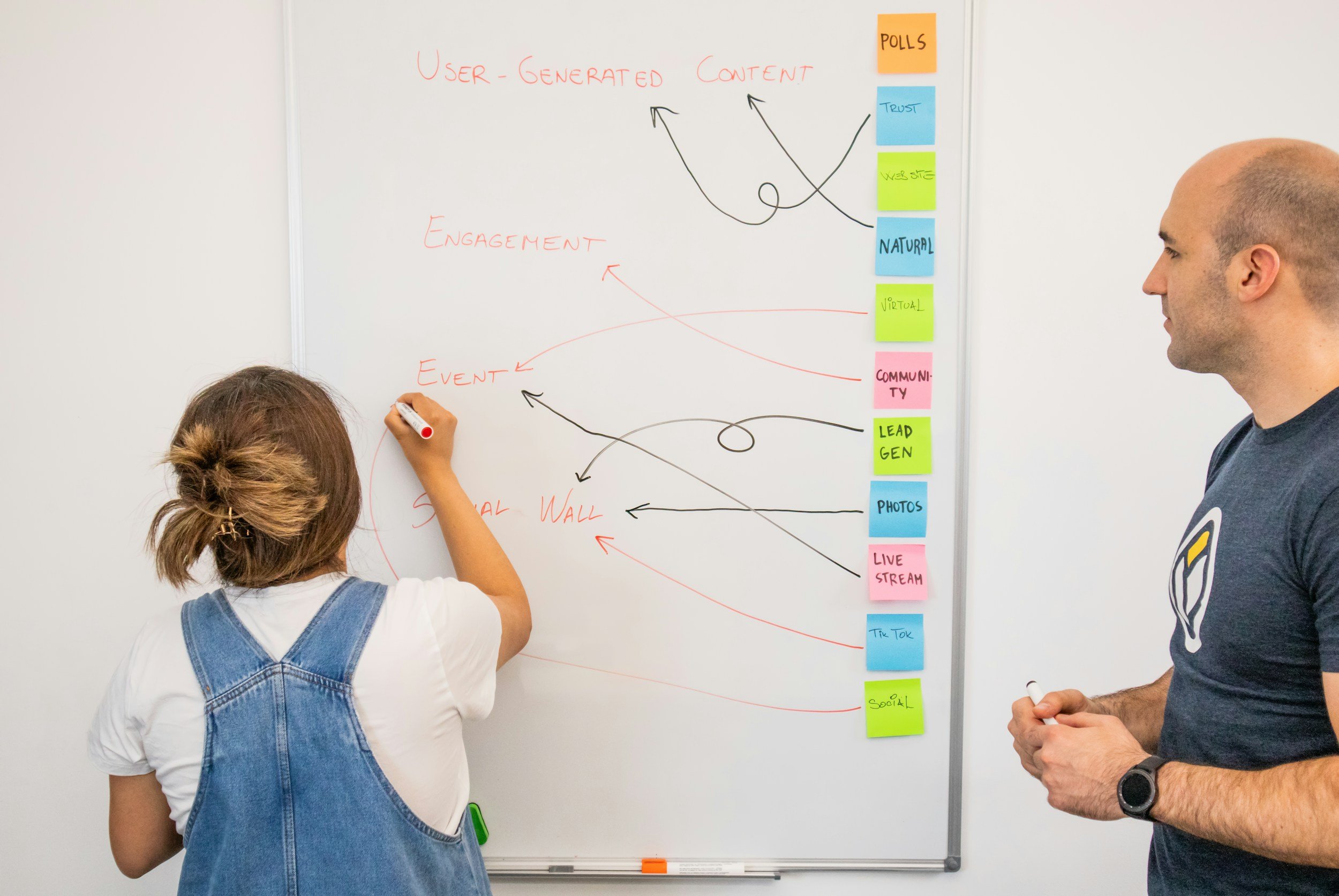
Ethics, Aesthetics and Epistemologies of Systems Thinking
This course zooms deep into a wide variety of philosophies underpinning systems thinking and its visual and participatory applications.

Systemic Entrepreneurship
This course provides a theoretical and managerial basis to apply principles of systems thinking, mapping & co-design to entrepreneurship. The course targets both prospective and experienced entrepreneurs, as well as researchers and teachers with an entrepreneurial mindset.
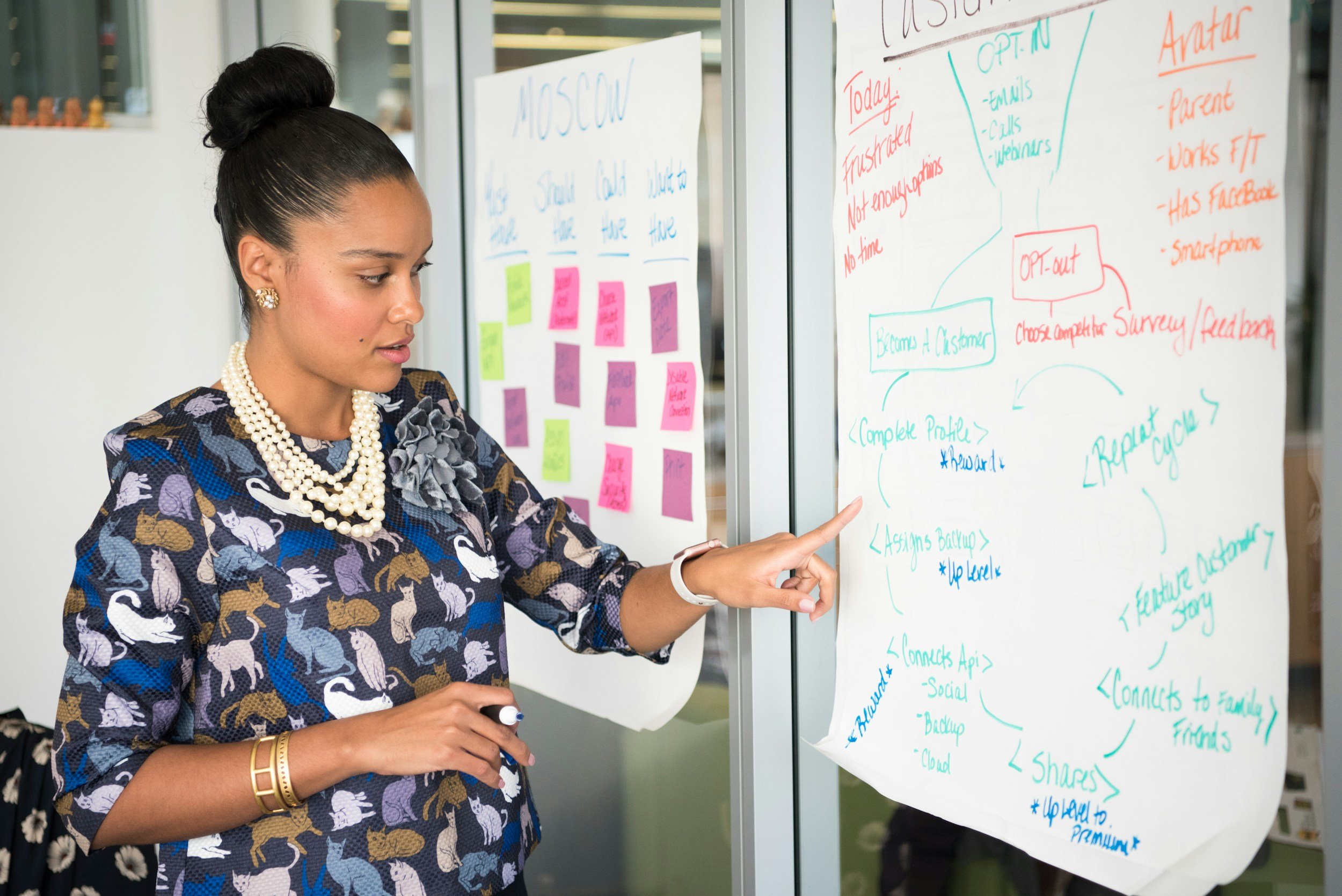
Complex Project Management
This course provides the basics for applying principles of systems thinking, mapping & co-design to the management of complex projects and multi-stakeholder programs.

Management of Innovation Ecosystems
This course provides tools and approaches to coordinate emerging ecosystems of innovation - for example to orchestrate the agendas of policy, company and civil society actors into a common process of change.

Circular Economy Management
This course helps apply the basics of circular economy management within a company, one industrial sector, across potentially symbiotic industrial sectors (such as at the water-energy-agriculture-food nexus), and a region or territory.
Regenerative Business Models
This course focuses on the challenges of applying regenerative business models in a locality - including for example, the restoration of vital water, soil, biodiversity and/or social cycles - affordable, viable and socially acceptable. We will learn from a multitude of ongoing cases across the world.